Understanding Exness Commodities Trading
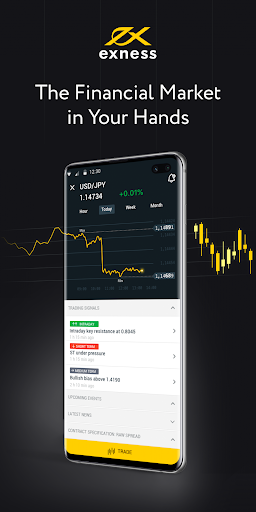
In the realm of online trading, commodities have long been a cornerstone for both novice and experienced investors. One of the platforms leading the charge in this domain is Exness. With its user-friendly interface and diverse offerings, Exness commodities trading draws in traders from around the globe. If you’re looking to enter the exciting world of commodity trading, then this guide is tailored just for you. Don’t forget to check out the exness commodities تطبيق Exness for a seamless trading experience on your mobile.
What Are Commodities?
Commodities are basic goods that are interchangeable with other goods of the same type. They are often categorized into two main types: hard and soft commodities. Hard commodities are natural resources that are mined or extracted, such as gold, silver, and oil. Soft commodities, on the other hand, are agricultural products or livestock, such as wheat, coffee, and pork bellies. The trading of these commodities occurs on exchanges, where prices are determined by supply and demand dynamics.
Why Trade Commodities on Exness?
Trading commodities on Exness provides several advantages that can enhance your trading experience. Here are a few reasons why traders choose Exness for commodities trading:
- Diverse Range of Commodities: Exness offers a variety of commodities for trading, allowing traders to choose from precious metals, energy products, and agricultural goods.
- Leverage: Exness provides traders with leverage options, enabling them to control larger positions with a relatively small amount of capital.
- Competitive Spreads: The platform offers competitive spreads across various commodities, enhancing profit potential.
- Robust Trading Platform: Exness uses advanced trading technology, ensuring a high-performance trading experience with real-time market analysis.
Popular Commodities to Trade
When it comes to trading commodities, some are more popular than others. Here’s a look at a few key commodities you might consider:
Gold
Gold is one of the most traded commodities in the world. Traders often consider gold a safe-haven asset during times of economic uncertainty. Its price is influenced by factors such as inflation rates, currency depreciation, and geopolitical tensions.
Crude Oil
Crude oil is another sought-after commodity, integral to the global economy. The price fluctuations of oil are often tied to supply and demand dynamics, geopolitical events, and OPEC policies. Trading crude oil can be highly profitable, but it also carries a considerable risk.
Copper
Copper is widely used in various industries, from construction to electronics. Its price is often viewed as a leading indicator of economic health, making it a popular choice among traders who focus on global economic trends.
Agricultural Commodities
Agricultural commodities such as wheat, corn, and soybeans play a pivotal role in the trading landscape. Their prices can be affected by weather conditions, seasonal changes, and global demand, making them an intriguing trading option.
Trading Strategies for Commodities
To succeed in commodities trading on Exness, it’s essential to develop effective trading strategies. Here are a few strategies that can help enhance your trading:
Fundamental Analysis
Fundamental analysis involves examining economic indicators, geopolitical events, and market trends that could influence commodity prices. Keeping an eye on reports related to inventory levels, production rates, and global demand will provide valuable insights for trading decisions.
Technical Analysis
This strategy focuses on historical price movements and patterns to predict future price changes. Utilizing various technical indicators, chart patterns, and market trends can help traders identify entry and exit points for their trades.
Risk Management
Managing risk is crucial in any trading environment. Setting stop-loss orders, diversifying your portfolio, and never risking more than you can afford to lose are fundamental principles that can help protect your capital while trading commodities.
Benefits of Trading Commodities on Exness
Trading commodities provides several benefits that can enhance your overall trading experience. Here are a few advantages of trading on Exness:
- Market Liquidity: The commodities market is generally liquid, allowing for more straightforward execution of trades.
- Accessibility: Exness offers online trading, which means you can trade commodities from the comfort of your home or on the go using their mobile app.
- Educational Resources: Exness provides a wealth of educational resources and tools designed to help traders improve their understanding of commodities trading.
Common Mistakes to Avoid
As with any form of trading, several common mistakes can hinder your success in commodities trading. Here are a few to watch out for:
- Neglecting Research: Failing to conduct proper research before making trades can lead to significant losses.
- Overtrading: Trading too frequently can erode profits and increase exposure to risk.
- Ignoring Market Trends: Not paying attention to market trends and geopolitical events can lead to uninformed decisions.
Conclusion
Exness commodities trading offers a wealth of opportunities for traders seeking to diversify their portfolios and take advantage of market movements. By understanding the nuances of commodities, implementing effective trading strategies, and employing sound risk management practices, you can enhance your chances of success in this dynamic market. Whether you’re interested in gold, oil, or agricultural products, Exness provides the tools and resources needed to navigate the world of commodities trading effectively.
]]>
Understanding Exness Server Ping Latency for Optimal Trading
The efficiency of your trading can be significantly influenced by the exness server ping latency trading-jo.com. This article aims to unpack what server ping latency means, how it affects your trading experience with Exness, and what you can do to minimize latency for improved trading performance.
What is Server Ping Latency?
Server ping latency is the time it takes for a signal to travel from your device to the server and back. It is typically measured in milliseconds (ms). A lower ping indicates a faster connection, which is crucial for trading platforms like Exness where minute fluctuations in price require immediate reaction. Understanding this concept is essential for traders to enhance their trading strategy and ensure they are operating at peak efficiency.
Why is Latency Important for Traders?
In the world of online trading, timing is everything. Even a difference of a few milliseconds can mean the difference between making a profit and incurring a loss. Here are several reasons why latency matters:
- Execution Speed: High latency can delay the execution of trades, which is particularly detrimental in volatile markets where prices can change rapidly.
- Order Fill Rates: Lower latency means higher chances of your order being filled at your desired price, reducing slippage.
- Real-time Data Streaming: Many trading strategies rely on real-time data. High latency can result in outdated information, leading to poor decision-making.
Measuring Your Ping Latency
Before you can start optimizing your trading experience, it’s important to measure your current ping latency to the Exness servers. There are several tools and methods to do this:
- Ping Command: This can be done through a simple command line in your operating system. For instance, on Windows, open Command Prompt and type
ping [server address]. - Online Tools: Websites like Speedtest not only measure your internet speed but often provide ping latency against different servers, including trading servers.
Understanding Exness Server Locations
Exness offers multiple server locations to cater to traders worldwide. The closer you are to the server, the lower your ping latency is likely to be. Key server locations include:
- Europe: For traders in Europe, the servers located in London provide an optimal connection.
- Asia: In Asia, Exness has servers in Hong Kong and Singapore, strategically placed for improved ping latency.
- South America: West Coast servers serve traders in South America, helping maintain low latency rates.
Strategies to Minimize Latency
Here are several effective strategies that traders can implement to reduce their server ping latency:
- Use a Wired Connection: Wi-Fi connections can introduce interference. Using an Ethernet cable provides a more stable and faster connection.
- Choose the Right Server: Always select the server closest to your location on the Exness platform to minimize latency.
- Optimize Your Internet Connection: Ensure that your internet connection is reliable and fast. Disconnect other devices that may be using bandwidth.
- Utilize VPN Services: Sometimes, using a Virtual Private Network can shorten the route data takes to reach the Exness servers.
- Regularly Test Your Ping: Regular testing helps you monitor your latency and adjust as necessary, especially if you notice any fluctuations.
Fixing High Latency Issues
If you discover that your ping latency is consistently high, it may require some troubleshooting:
- Check Your Router: Rebooting your router can sometimes improve latency.
- Contact Your ISP: If latency remains high, contacting your Internet Service Provider (ISP) for assistance can help troubleshoot any underlying issues.
- Limit Background Apps: Close any unnecessary applications or downloads that might be consuming bandwidth during trading sessions.
Conclusion
In conclusion, understanding and optimizing your Exness server ping latency is vital for enhancing your trading efficiency. By measuring your current latency, choosing the right server, and employing strategies to reduce latency, you can improve your trading experience significantly. Remember that even small improvements in ping can lead to better trade execution and overall profitability. Stay informed and proactive to keep your trading performance at its best!
]]>